Inguinal Hernia Surgeries
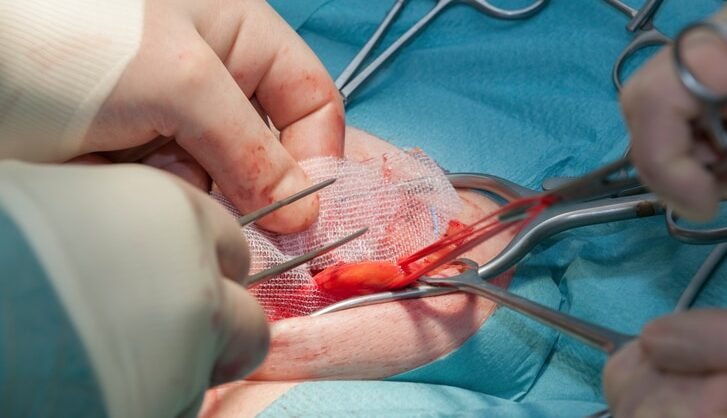
Inguinal Hernia Surgeries in Indore
This page will help you understand everything about Inguinal Hernia Surgeries in Indore, explained in the simplest way so anyone even a young child can understand.
You will also learn how Dr. Pritesh Shrimali, one of the Best Urologist in Indore with more than 24 years of experience, offers safe, modern, and successful hernia surgeries.
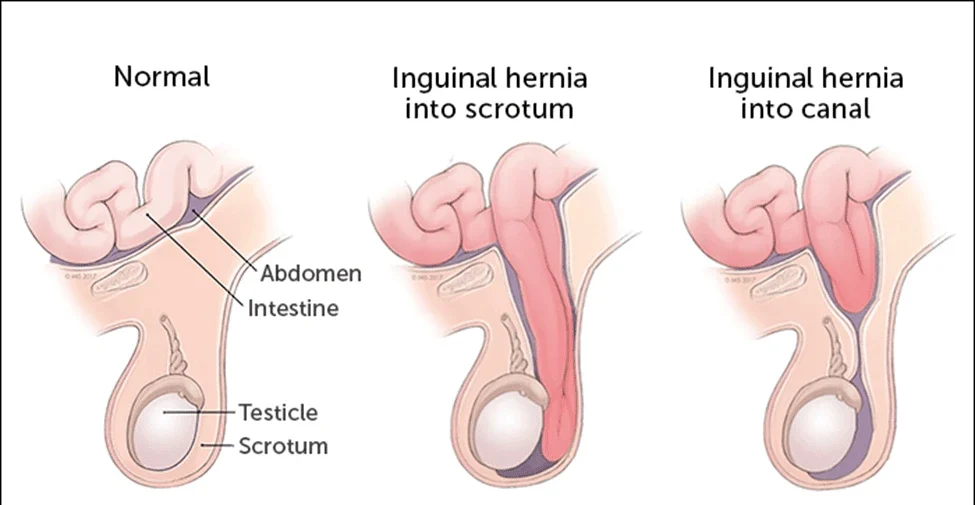
What Is an Inguinal Hernia?
An inguinal hernia happens when a weak spot in the lower tummy muscles allows a small part of the intestine to bulge out, forming a soft lump in the groin. It may hurt while lifting, walking, or coughing and often gets bigger with movement. If the lump stops going back inside, it can become serious and needs quick treatment. Many patients choose safe and advanced care for this condition through Inguinal Hernia Surgeries in Indore.
Symptoms of Inguinal Hernia
- A soft swelling or lump in the groin area
- Pain when lifting heavy objects
- Feeling of pressure or heaviness in the groin
- Burning or pulling sensation
- Lump becomes bigger when coughing, standing, or straining
- In children, crying may make the lump bigger
- Sometimes, severe pain with vomiting (in dangerous cases)
Types of Inguinal Hernia (Direct & Indirect)
1) Direct Inguinal Hernia
- Happens due to weak muscles over time
- Mostly seen in adults
- Caused by age, heavy lifting, or chronic cough
2) Indirect Inguinal Hernia
- Can also appear in adults later
- Seen in babies, children, and young adults
- Happens when the opening in the groin does not close properly after birth
When Do You Need Inguinal Hernia Surgery?
You may need surgery if:
- The lump keeps increasing
- Pain becomes regular
- You cannot lift objects comfortably
- You feel pressure or discomfort while walking
- The hernia gets stuck (no longer goes back inside)
- You want to prevent complications
Recovery After Inguinal Hernia Surgery
Most patients can:
Walk the same day
Return home within 24 hours
Resume light activities in 3–5 days
Do normal work in 1–2 weeks
Do heavy work after 4–6 weeks
During recovery:
Avoid lifting heavy weights
Eat soft, easily digestible food
Keep the surgery area clean
Follow medicines strictly
With an expert like Dr. Pritesh Shrimali, healing becomes even easier because of proper guidance and follow-up.