
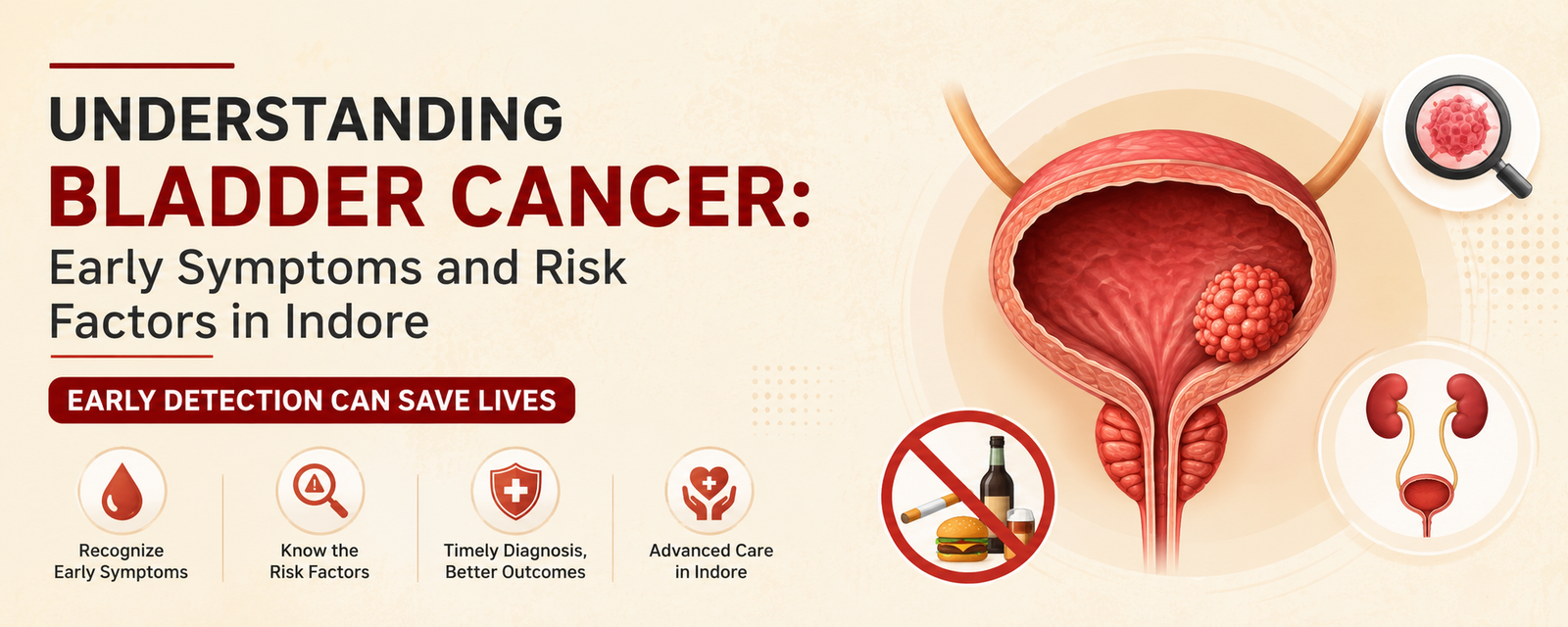
Bladder cancer is one of the most common cancers affecting the urinary system. Although it can occur at any age, it is more frequently diagnosed in older adults and is often associated with lifestyle, environmental, and occupational risk factors. The good news is that when bladder cancer is detected early, treatment outcomes are generally more successful.
Many people ignore early urinary symptoms, assuming they are caused by infections or temporary health issues. However, recognizing the warning signs and seeking timely medical attention can make a significant difference. Understanding the symptoms, causes, and risk factors of bladder cancer helps individuals take proactive steps toward diagnosis and treatment.
Dr. Pritesh Shrimali, a highly experienced Urologist in Indore, specializes in diagnosing and treating a wide range of urological conditions, including bladder cancer, kidney stones, prostate disorders, urinary tract problems, and male infertility. With more than 24 years of experience and advanced training from reputed institutions, he is known for providing comprehensive and patient-focused urology care.
Patients looking for expert bladder cancer evaluation and treatment in Indore often consult Dr. Pritesh Shrimali because of his extensive experience, advanced treatment approach, and commitment to delivering high-quality care.
Trusted Care from the Best Urologist in Indore
Dr. Pritesh Shrimali is recognized as one of the leading urologists in Indore with decades of experience in managing complex urological conditions. Throughout his career, he has helped thousands of patients suffering from kidney, bladder, prostate, and urinary tract disorders.
His expertise includes:
- Bladder Cancer Treatment
- Kidney Stone Management
- Prostate Disorders
- Urinary Tract Diseases
- Male Infertility Treatment
- Urological Surgeries
- Minimally Invasive Procedures
- Uro-Oncology Care
His patient-first philosophy focuses on accurate diagnosis, advanced treatment options, and compassionate support throughout the treatment journey.
What is Bladder Cancer?
Bladder cancer develops when abnormal cells begin to grow uncontrollably within the bladder lining. The bladder is a hollow organ located in the lower abdomen that stores urine before it leaves the body.
Most bladder cancers begin in the inner lining of the bladder. If detected early, treatment can be highly effective. However, if left untreated, cancer can spread deeper into the bladder wall and potentially to other parts of the body.
Understanding the disease is essential because early detection often leads to better treatment outcomes and improved survival rates.

Why Early Detection of Bladder Cancer Matters
One of the biggest challenges with bladder cancer is that its symptoms may initially appear mild or similar to common urinary problems.
Early diagnosis offers several benefits:
- Greater treatment success
- Less aggressive treatment requirements
- Improved quality of life
- Reduced risk of cancer spread
- Better long-term outcomes
Individuals who notice persistent urinary symptoms should seek evaluation from an experienced urologist without delay.
Early Symptoms of Bladder Cancer
Bladder cancer may present with several warning signs. While these symptoms do not always indicate cancer, they should never be ignored.
Blood in Urine (Hematuria)
Blood in the urine is the most common early symptom of bladder cancer.
Patients may notice:
- Pink-colored urine
- Red-colored urine
- Brownish urine
- Blood visible only during laboratory testing
In many cases, blood in the urine occurs without pain.
Any unexplained blood in urine should be evaluated promptly by a urologist.
Frequent Urination
Some individuals experience an increased need to urinate more often than usual.
This may include:
- Frequent daytime urination
- Increased nighttime urination
- Difficulty delaying urination
Persistent urinary frequency warrants medical evaluation.
Burning Sensation During Urination
Bladder cancer can sometimes cause discomfort while passing urine.
Symptoms may include:
- Burning sensation
- Painful urination
- Irritation during urination
Although these symptoms can also occur with infections, they should not be ignored if they persist.
Urgency to Urinate
Patients may experience a sudden and strong urge to urinate even when the bladder is not full.
This symptom often affects daily activities and quality of life.
Pelvic Pain
As bladder cancer progresses, some patients may experience:
- Lower abdominal discomfort
- Pelvic pain
- Pressure in the bladder region
These symptoms usually require further medical investigation.
Back Pain
Advanced bladder cancer may cause pain in the lower back or side of the body.
Persistent unexplained back pain should be evaluated, especially when associated with urinary symptoms.
Common Risk Factors for Bladder Cancer
Several factors can increase the likelihood of developing bladder cancer.
Understanding these risk factors can help individuals take preventive measures.
Smoking
Smoking is one of the most significant risk factors for bladder cancer.
Harmful chemicals present in tobacco enter the bloodstream and are eventually filtered by the kidneys into the urine. These chemicals can damage bladder cells over time.
Smokers are at a significantly higher risk of developing bladder cancer compared to non-smokers.
Increasing Age
The risk of bladder cancer increases with age.
Most cases are diagnosed in individuals above the age of 55.
Regular health evaluations become increasingly important as people grow older.
Exposure to Industrial Chemicals
Certain occupations involve exposure to chemicals that may increase bladder cancer risk.
Industries associated with higher risk include:
- Dye manufacturing
- Rubber production
- Textile industry
- Paint industry
- Leather processing
Long-term exposure to certain chemicals can contribute to bladder cell damage.
Chronic Bladder Irritation
Repeated irritation of the bladder may increase cancer risk.
Possible causes include:
- Recurrent urinary infections
- Long-term catheter use
- Chronic inflammation
Proper management of underlying urinary conditions is important.
Family History
Individuals with a family history of bladder cancer may have a slightly increased risk.
Although genetics play a role, lifestyle factors often contribute significantly.
Previous Cancer Treatments
Certain chemotherapy drugs and radiation treatments may increase the risk of bladder cancer later in life.
Patients with a history of cancer treatment should continue regular medical follow-ups.
Who is More Likely to Develop Bladder Cancer?
Certain groups have a higher risk of developing bladder cancer.
These include:
- Smokers
- Older adults
- Men
- Individuals exposed to industrial chemicals
- People with chronic urinary tract conditions
- Individuals with a family history of bladder cancer
Awareness of risk factors encourages timely screening and evaluation.
How Bladder Cancer is Diagnosed
Accurate diagnosis is essential for determining the extent of disease and selecting the most effective treatment plan.
Dr. Pritesh Shrimali may recommend several diagnostic tests.
Urine Analysis
Urine tests help detect blood, abnormal cells, and signs of infection.
Ultrasound
Ultrasound imaging provides information about the bladder and urinary tract.
CT Scan
Advanced imaging helps evaluate the bladder and surrounding structures.
Cystoscopy
A cystoscope allows direct visualization of the bladder lining and helps identify suspicious growths.
Biopsy
A tissue sample may be collected for laboratory examination to confirm the diagnosis.
Treatment Options for Bladder Cancer
Treatment depends on:
- Cancer stage
- Tumor size
- Cancer grade
- Patient health status
Common treatment approaches include:
Transurethral Resection of Bladder Tumor (TURBT)
A minimally invasive procedure used for early-stage bladder cancer.
Intravesical Therapy
Medication is delivered directly into the bladder to reduce recurrence risk.
Surgery
Advanced cases may require partial or complete bladder removal.
Chemotherapy
Drug therapy may be used before or after surgery.
Immunotherapy
Certain patients may benefit from immune-based treatments.
Radiation Therapy
Radiation may be recommended in selected situations.
A personalized treatment plan is developed after careful evaluation.
Why Patients Trust Dr. Pritesh Shrimali
Patients across Indore and surrounding regions trust Dr. Pritesh Shrimali for his expertise in urology and uro-oncology.
Reasons patients choose him include:
- More than 24 years of experience
- Advanced urology training
- Expertise in bladder cancer management
- Minimally invasive treatment techniques
- Patient-focused care
- Comprehensive diagnostic evaluation
- Personalized treatment plans
His commitment to safety, precision, and compassionate care makes him a preferred choice for urological treatment.
Expert Urology Treatment You Can Trust
At his practice, patients receive advanced and evidence-based urology care supported by modern diagnostic and treatment technologies.
Key advantages include:
Advanced Procedures
Modern techniques help reduce recovery time and improve treatment outcomes.
Accurate Diagnosis
Comprehensive evaluation ensures appropriate treatment planning.
Patient-First Approach
Patients receive clear guidance and support throughout their healthcare journey.
Focus on Comfort and Recovery
Treatment plans are designed to maximize safety and improve quality of life.
Tips for Reducing the Risk of Bladder Cancer
Although not all cases can be prevented, certain healthy habits may help reduce risk.
Stop Smoking
Quitting smoking significantly lowers bladder cancer risk.
Stay Hydrated
Adequate water intake may help dilute harmful substances in urine.
Maintain a Healthy Lifestyle
Balanced nutrition and regular exercise support overall health.
Limit Chemical Exposure
Use appropriate protective measures when working with industrial chemicals.
Seek Medical Attention for Urinary Symptoms
Early evaluation of symptoms can lead to earlier diagnosis and treatment.
Summary
Bladder cancer is a serious but often treatable condition, especially when detected early. Symptoms such as blood in urine, frequent urination, burning during urination, and pelvic discomfort should never be ignored. Understanding risk factors and seeking timely medical evaluation can significantly improve outcomes.
With extensive experience in urology and bladder cancer management, Dr. Pritesh Shrimali provides comprehensive diagnostic and treatment services for patients in Indore. His expertise, patient-centered approach, and commitment to advanced urological care help patients receive effective treatment and ongoing support.
FAQs – Understanding Bladder Cancer
What is the earliest sign of bladder cancer?
Blood in the urine is often the earliest and most common symptom of bladder cancer.
Is bladder cancer curable?
Many cases can be successfully treated, especially when diagnosed early.
Does bladder cancer always cause pain?
No. Some patients may experience blood in urine without any pain.
Who should consult a urologist for bladder cancer symptoms?
Anyone experiencing blood in urine, frequent urination, burning sensation, or persistent urinary symptoms should consult a urologist.
Where can I get bladder cancer treatment in Indore?
Dr. Pritesh Shrimali provides diagnosis, evaluation, and treatment for bladder cancer and other urological conditions in Indore.
Conclusion – Understanding Bladder Cancer: Early Symptoms and Risk Factors in Indore
Bladder cancer can affect individuals of different ages, but early recognition of symptoms and awareness of risk factors play a crucial role in successful treatment. Symptoms such as blood in the urine, urinary urgency, frequent urination, and pelvic discomfort should always be evaluated by a qualified specialist.
Dr. Pritesh Shrimali, one of the most experienced Urologists in Indore, offers comprehensive bladder cancer diagnosis, advanced treatment options, and patient-centered care. Through accurate diagnosis, modern treatment techniques, and ongoing support, he helps patients achieve the best possible outcomes while prioritizing their comfort, safety, and long-term health.